6 Foods That Prevent Heart Disease
- Posted on: Jan 6 2023
According to the CDC, heart disease remains the leading cause of death for both men and women in the United States. Protecting your heart begins with making healthy lifestyle choices, especially when it comes to your diet.
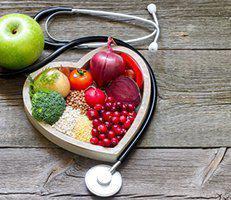
The foods you eat can impact blood pressure, cholesterol, inflammation, and arterial health, all of which are major factors in cardiovascular risk. Combining heart-healthy foods with regular exercise and doctor’s visits can make a tremendous difference in preventing heart disease.
At Cardivascular Wellness Specialty Care, P.C., we help patients understand what they can do every day to strengthen their heart and improve their health. These six key foods for preventing heart disease can help you start doing that today.
- Green, Leafy Vegetables
Leafy greens like spinach, kale, arugula, and collard greens supply vitamins, nitrates, and antioxidants. All of these nutrients help relax blood vessels, reduce blood pressure, and ease arterial stiffness to protect your heart. Research shows that people with higher intake of nitrate-rich vegetables, in particular, have a lower risk of heart disease.
Some easy ways to incorporate leafy greens into your diet include:
- Adding spinach to omelets or smoothies
- Swapping iceberg lettuce for nutrient-dense greens in salads
- Combining sauteed greens with garlic and olive oil for a quick side
- Whole Grains
Whole grains like oats, quinoa, brown rice, and barley deliver high fiber and essential micronutrients, both of which help lower LDL, or “bad cholesterol,” and support healthy blood pressure. Studies have shown that whole grains can reduce the risk of a wide range of serious conditions, including heart disease.
Include whole grains in your diet by:
- Choosing whole-grain bread or pasta
- Making oatmeal your breakfast base
- Adding barley or quinoa to soups or salads
- Berries
Berries pack potent antioxidants called anthocyanins, which fight two key drivers of heart disease: inflammation and oxidative stress. These flavorful fruits also contain flavonols, various vitamins, and fiber, all of which have been shown to reduce the risk of cardiovascular disease.
Berries can easily be enjoyed on their own, but you should also consider:
- Adding blueberries or strawberries to Greek yogurt
- Blending mixed berries into a smoothie
- Topping oatmeal with raspberries and blackberries
- Avocados
Avocados provide monounsaturated fats and potassium, two nutrients known to improve cholesterol profiles and support healthy blood pressure. A study published in the Journal of the American Heart Association found that you can protect yourself against heart disease with just two servings a week of avocado.
Some simple ideas for getting those two servings include:
- Mashing avocado on whole-grain toast
- Adding cubed avocado to salads
- Blending avocado into dressings or sauces
- Fatty Fish and Fish Oil
Fatty fish such as salmon, mackerel, sardines, and tuna offer rich levels of omega-3 fatty acids. These nutrients have been shown to lower triglycerides, reduce inflammation, promote healthy blood pressure, and reduce the risk of both fatal and non-fatal cardiovascular outcomes. The American Heart Association recommends at least two servings per week for heart health.
If you don’t or can’t eat fish, you can still get a healthy dose of omega-3s with fish oil or algal oil supplements.
To enjoy some heart-healthy fatty fish dishes, consider:
- Baking salmon with herbs and lemon
- Grilling sardines and serving with salad
- Adding tuna to whole-grain pasta salads
- Nuts & Seeds
Nuts and seeds supply a combo of fiber, healthy fats, plant sterols, and micronutrients. These elements help lower LDL cholesterol and keep arteries flexible. Regular nut consumption is connected to reduced plaque buildup and improved heart health markers.
Some easy ways to enjoy nuts and seeds include:
- Eating handfuls of walnuts, almonds, or pistachios
- Sprinkling chia or flaxseed on yogurt and oatmeal
- Blend nut butter into smoothies
Help with Preventing and Treating Heart Disease
Heart-healthy foods can go a long way toward preventing cardiovascular disease, but you should always combine your diet with regular check-ins with your cardiologist. The team at Cardiovascular Wellness in Nassau County, New York, can work with you to prevent and treat heart disease and keep you informed on everything you can do at home to protect your heart health. Contact us today to schedule an appointment.
Posted in: Heart Disease